Your shopping cart is empty.


In the complicated world of real estate, navigating the legal landscape is essential for both professionals and property owners. With regulations covering areas like property transactions, licensing, and fair housing, understanding these rules can safeguard against costly mistakes and legal disputes.
Today let’s explore the essentials of real estate regulations, offering insight into the rules and best practices that ensure smooth and compliant property transactions.
Real estate regulations in the UK are governed by national, regional, and local laws designed to protect all parties involved in property transactions. From buyers and sellers to landlords and tenants, these regulations maintain transparency, fairness, and ethical practices across the industry.
In the UK, property laws are primarily uniform across England and Wales, with differences in Scotland and Northern Ireland. Local councils may have additional bylaws affecting property development, advertising, and land use. Understanding both national legislation and local requirements is vital for compliance in real estate transactions.
Unlike in some countries, estate agents in the UK are not required to hold a licence but must comply with legislation, including:
Additionally, agents must register with a government-approved redress scheme, such as:
UK property law prohibits discrimination in housing and rental practices under the Equality Act 2010. Landlords and agents must ensure equal treatment regardless of a person’s race, gender, religion, disability, or other protected characteristics.
Contracts in the UK are legally binding once signed and exchanged. Key agreements include:
Property buyers and sellers often rely on solicitors or licensed conveyancers to ensure legal compliance.
UK property transactions must address environmental issues such as energy efficiency and hazardous materials. Requirements include:
Planning permission, overseen by local councils, dictates land use and development. The Town and Country Planning Act 1990 regulates whether properties can be used for residential, commercial, or mixed purposes. Any changes in use or significant structural alterations require approval.
Sellers in the UK must complete a Property Information Form (TA6), outlining known issues such as boundary disputes, planning permissions, or structural defects. Misrepresentation can lead to legal consequences under CPRs.
Taxes are significant in UK property transactions and include:
Conducting thorough property checks—such as local authority searches, building surveys, and title reviews—helps buyers and investors avoid potential legal or structural issues.
Engaging a solicitor or licensed conveyancer ensures transactions comply with UK property law. They handle contracts, searches, and communication between parties to ensure smooth exchanges.
The property market is dynamic, with frequent changes in tax policies, planning laws, and rental standards. Staying informed through industry bodies like the Royal Institution of Chartered Surveyors (RICS) or UK Government updates is essential.
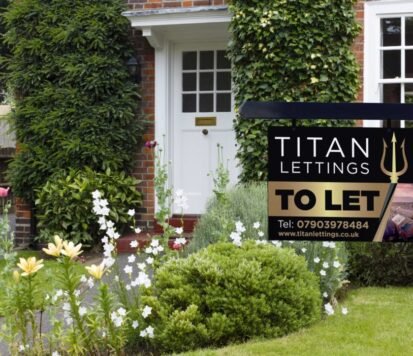
Property agency boards are a popular marketing tool across the UK. Whether it’s a “For Sale” or “To Let” sign, boards must comply with Town and Country Planning (Control of Advertisements) Regulations 2007. Key guidelines include:
Failing to comply with these regulations may result in fines or the removal of the board.
T boards, known for their double-sided visibility, are especially effective in high-traffic areas. While highly functional, they must also adhere to local council rules regarding size and placement. Estate agents should ensure they meet the specific advertising standards in their region to avoid penalties.
Navigating real estate regulations may seem daunting, but with a solid understanding of key areas and compliance strategies, you can manage property transactions with confidence. From licensing to property disclosures, each regulatory aspect plays a role in maintaining the integrity of the real estate market.
By conducting due diligence, seeking professional guidance, and using marketing tools like property agencies and T boards within regulatory limits, you can streamline the process and enhance property visibility. This proactive approach not only keeps you compliant but also positions your property favourably in the competitive real estate market.

An enthusiastic Graphic Designer professional with strong communication and organisational skills, who is passionate about creating and developing innovative ideas with the client to help them get their business noticed. I work to the highest standards and have an excellent eye for detail with skills in design and organisation. I am a dependable and productive worker whose honesty and integrity provides effective leadership and builds excellent relationships. I enjoy innovatively…